What to Expect During a Professional Roof Inspection for Your Residence
Your roof may look fine from the ground, but that does not always tell the full story. A small leak, worn shingle, drainage issue, or ventilation concern can develop quietly before it becomes obvious inside the home. That is why a professional inspection can be a valuable step for homeowners who want a clear picture of their roof's condition.
At Independent Roof Inspection Services, we approach a residential inspection from an independent point of view. We do not sell roofing work, and we have no affiliation with roofing contractors. Our background includes hands-on roofing experience, from working with roofing materials to serving as roofers, foremen, estimators, and sales professionals. That experience helps us look at a roof with a practical understanding of how roofing systems are installed and how problems can develop.
If you are considering a roof inspection, it helps to know what will actually happen. Here is what homeowners can expect and why each part of the process matters.
Table of Contents
- Why a Professional Roof Inspection Matters
- What Happens During a Residential Roof Inspection in Toronto
- What We Look For During the Inspection
- Why Independent Roof Inspections Matter
- When Should You Arrange a Roof Inspection?
- What Happens After the Inspection?
- Frequently Asked Questions
- Final Thoughts
Why a Professional Roof Inspection Matters
A roof is one of the three critical systems of a building, along with electrical and plumbing systems. It protects the home from weather and helps keep the interior comfortable and dry.
However, homeowners do not always know what they are looking at when they examine a roof. A few damaged shingles may seem like a small concern. Water staining may appear to be an isolated problem. A clogged drainage system may not look serious at first.
A professional inspection provides a closer assessment.
Our inspection process is designed to identify deficiencies, assess the condition of the existing roof, determine its estimated serviceable life, and identify the possible cause of water ingress or leaks.
We also look at related components such as eavestroughs and downpipes. When appropriate, we access the attic to examine ventilation and insulation.
Most importantly, our recommendations are independent. We are not inspecting a roof with the intention of selling a replacement roof. We focus on providing homeowners with information that can help them make an informed decision.
That distinction matters when a homeowner is told that a complete new roof is necessary. An independent assessment can help determine whether a new roof is actually required or whether the existing roof can remain serviceable with appropriate work.
What Happens During a Residential Roof Inspection in Toronto?
So, what should you expect when the inspection begins?
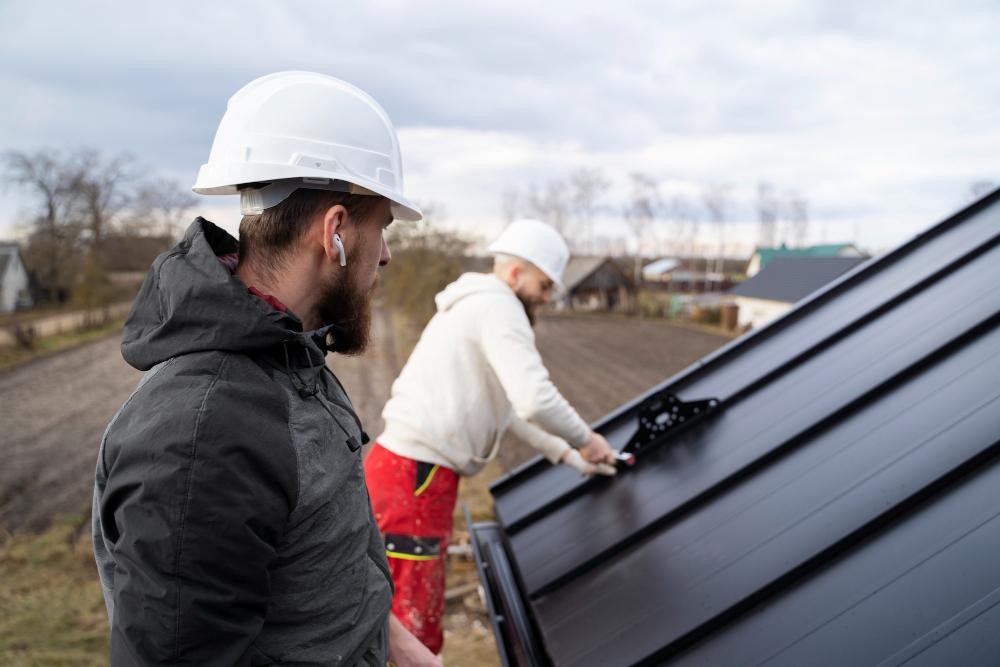
First, we assess the roof itself. We always get on the roof when conducting our inspections. This allows us to examine the roofing system directly rather than relying only on what can be seen from the ground.
The roof may be checked for visible deficiencies and signs of wear. We consider the overall condition and look at areas that may require closer attention.
The inspection can also include the attic space. This gives us an opportunity to look at ventilation and insulation, which can play an important role in the condition of a roofing system.
Water ingress receives particular attention when a homeowner reports a leak. Finding water inside the home does not always mean the visible location is the source of the problem. Our goal is to identify the cause of the water ingress rather than simply point to the area where water became noticeable.
We also consider the condition of eavestroughs and downpipes. These components are part of the roof drainage system, so their condition can be relevant when assessing the overall roofing situation.
The process is not simply about finding problems. It is about understanding the condition of the roof as a whole.
What We Look For During the Inspection
A thorough Residential Roof Inspection should provide homeowners with useful information rather than a vague statement about whether the roof looks good or bad.
Our inspection services can cover several important areas.
Existing Roof ConditionWe assess the condition of the existing roof and identify visible deficiencies. The objective is to give the homeowner a clearer understanding of the roof's current state.
Estimated Serviceable LifeA roof does not necessarily need to be replaced simply because it has reached a certain age. Its condition is also important.
We provide an estimate of the serviceable life of the existing roof based on our inspection findings.
Water Ingress and LeaksWater entering a home can be frustrating, particularly when the source is difficult to identify.
We investigate the roof to identify the possible cause of water ingress or leaks. This can help homeowners understand what is happening before making decisions about roofing work.
Eavestroughs and DownpipesRoof drainage matters. We comment on the condition of eavestroughs and downpipes as part of our inspection services.
These components help move water away from the roof and building. Their condition can therefore be an important part of the overall assessment.
Roofing QuotesA homeowner may receive several roofing quotes and find that the recommendations differ considerably.
Our service does not stop at the inspection. We suggest obtaining three quotations from roofing companies of your choice. We can then review those quotations and assess their quality and integrity.
This gives homeowners another level of information before making a major roofing decision.
When Should You Arrange a Roof Inspection?
There is no single situation in which a homeowner should consider an inspection.
We inspect roofs before a roofer is hired, while roofing work is underway, and after a roof has been installed.
A homeowner may also benefit from an inspection when buying or selling a property, dealing with a leak, considering a roofing project, or looking for an independent opinion about the condition of an existing roof.
Before Hiring a RooferGetting an inspection before hiring a roofing contractor can help you understand the condition of your roof before receiving recommendations for roofing work.
We recommend obtaining three quotations from reputable companies and having those quotations reviewed.
During Roofing WorkAn inspection can also take place while a roof is being installed. This provides an opportunity to assess the work as the project progresses.
For new construction, we can also review architectural drawings and roofing specifications. Our team can inspect roofing work from the beginning of the installation through completion.
After the Roof Is InstalledA completed roof should not simply be accepted without checking the finished work.
Our website recommends having the finished roof inspected before paying the final bill. We also recommend informing the roofer in advance that the completed work will be inspected.
This creates a clear expectation from the beginning.
After Severe WeatherToronto homes are exposed to changing weather throughout the year. Strong weather can make existing roofing deficiencies more noticeable.
If you notice a leak or other concern after severe weather, an inspection can help determine the condition of the roof and identify possible deficiencies.
What Happens After the Inspection?
The inspection is only one part of the process. The information that follows can be just as important.
Our detailed reports provide information about the existing waterproofing, age, and condition of the roof, along with recommended courses of action.
The purpose is to give homeowners useful information they can consider when deciding what to do next.
In some cases, the findings may indicate that a new roof is required. In other situations, the existing roof may still have serviceable life remaining and specific work may be appropriate.
That is why an independent assessment can be helpful.
Our reports are accepted by Tarion, major insurance companies, condominium corporations in the GTA, and others as independent and accurate reports. We are also fully licensed, liability insured, Fall Protection certified, and WSIB compliant.
For homeowners, the benefit is straightforward. Instead of making a roofing decision based only on a contractor's sales recommendation, you can have an independent assessment to consider alongside the quotations you receive.